Autoclaves After Hours: Water Protection for UK Dental Surgeries
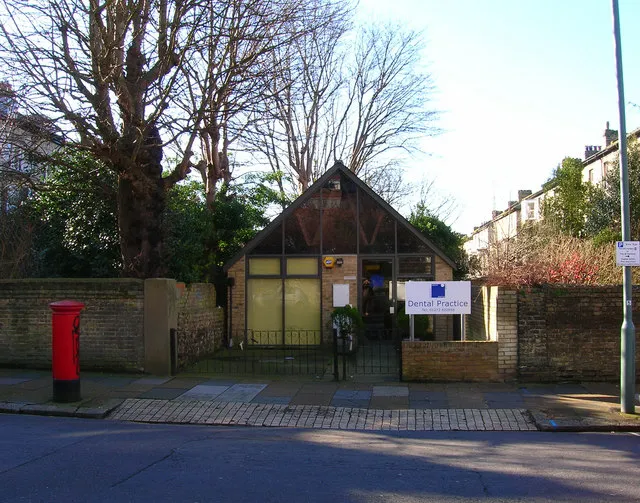
Photo: Simon Carey, CC BY-SA 2.0, via Wikimedia Commons
A water system that does not stop at the surgery door
Dental practices are often described in terms of chairs, clinicians and appointment books. The water system that supports them is less visible: dental unit waterlines, autoclave feeds, decontamination sinks, hand-wash basins, patient toilets, staff kitchens and the occasional outside tap used by the cleaner. Each is a potential point of failure, and each sits under a different kind of scrutiny. Clinical water quality is tested and logged; building water is often assumed to be someone else's responsibility until a ceiling tile sags.
For practice managers, the sensible starting point is to treat water protection as one regime with two objectives. The first is keeping water safe for patients and staff. The second is keeping water inside the pipes. Neither objective is served by a folder of certificates alone.
Dental unit waterlines: monitor the flush, not just the result
Dental unit waterlines remain the most discussed water risk in primary care dentistry. They are narrow, warm and prone to biofilm, and the regulatory framework is well established. In England, HTM 04-01 and the approved code of practice for Legionella, commonly known as L8, set expectations for risk assessment, flushing and microbiological testing. In practice, the monitoring question is not whether a practice has a waterline policy but whether the policy leaves a usable trail.
A workable regime records three things: the volume and duration of flushing at the start and end of each clinical session, the results of waterline testing, and the remedial action taken when results drift. Flow sensors on the unit can automate the first, but manual logs remain acceptable if they are completed honestly. The more useful technology is often simpler: a visible timer, a named person and a monthly review that catches gaps before a sample does.
The building beyond the chair
Legionella risk does not observe clinical boundaries. Little-used outlets are the classic problem: a patient toilet that is cleaned but rarely flushed, a staff shower used by one person, a kitchen tap that runs only at lunchtime. Temperature checks at sentinel outlets, routine flushing of infrequently used points and a schematic that actually reflects the building are the basics. What many practices lack is a way to prove that these tasks happened when the practice was busy.
This is where monitoring hardware earns its place. Temperature loggers on sentinel taps, flow sensors on little-used outlets and simple occupancy-linked reminders can reduce the administrative burden. The aim is not to instrument every basin. It is to make the routine visible enough that it survives a change of practice manager or a run of locum cover.
Closed periods: when a drip becomes a claim
Most dental practices are empty for long stretches: evenings, weekends, bank holidays and occasional closure days. These are precisely the periods when a failed flexible hose, a leaking autoclave valve or a worn tap washer can run unnoticed. A small leak under a decontamination sink can travel into a treatment room or a neighbouring unit before anyone arrives.
A smart water meter with night-flow analytics is the most proportionate first step for most practices. It establishes a baseline for legitimate out-of-hours use, such as autoclave cycles or cleaning, and raises an alert when flow continues when it should not. Leak sensors in risers, plant cupboards and under autoclaves add location-specific warning. The value is not in the alert alone but in the response: someone must be nominated to receive it, and that person must know where the stopcock is.
Hardware choices for a practice, not a plant room
Dental practices are not factories, and water protection should not require a facilities team. The practical stack is modest: a whole-site smart meter or sub-meter on the incoming main; isolation valves on each treatment room and on the decontamination area; leak sensors at the highest-risk points; and a controller that can close a valve automatically or alert a human to do so. For multi-site groups, a dashboard that compares branches is useful, but only if the branches have consistent valve labelling.
The common mistake is to buy sensors without agreeing the response. A practice that receives an alert at 2am but has no out-of-hours plumber and no remote shut-off has bought information, not protection. The specification should start with the question: what should happen in the first fifteen minutes?
Shut-off priorities and the annual rehearsal
Every practice should have a written shut-off sequence. It should identify the incoming main, the isolation valves for each surgery, the decontamination room and the staff kitchen, and it should state which can be closed without affecting autoclave cycles or fire safety systems. The sequence should be tested at least annually, with the cleaner, the practice manager and at least one clinician present.
The rehearsal is not a paperwork exercise. It reveals seized valves, missing keys and labelling that made sense to a previous contractor. It also gives the team confidence to act when a leak is real. For practices in leased buildings, the sequence should be agreed with the landlord and the managing agent, because the stopcock may not be in the practice at all.
Records that work for clinicians and insurers
Water monitoring generates records that serve several audiences: the clinician who needs assurance, the practice manager who needs an audit trail, and the insurer who may ask for evidence after a claim. A digital log with timestamps, named users and photographs of valve positions is more useful than a paper folder kept in a drawer. It also makes trends visible, such as a slow rise in night flow or a recurring waterline result that never quite fails.
None of this replaces the clinical judgement of the responsible person or the duties of the water safety group. It simply gives them better material. A dental practice that monitors its waterlines, its closed periods and its shut-off points is not over-engineering. It is recognising that the water system is part of the practice, and that protecting it is part of protecting patients, staff and the business.