Plant Room Discipline: A Water Monitoring Checklist for Britain’s Leisure Centre Pools
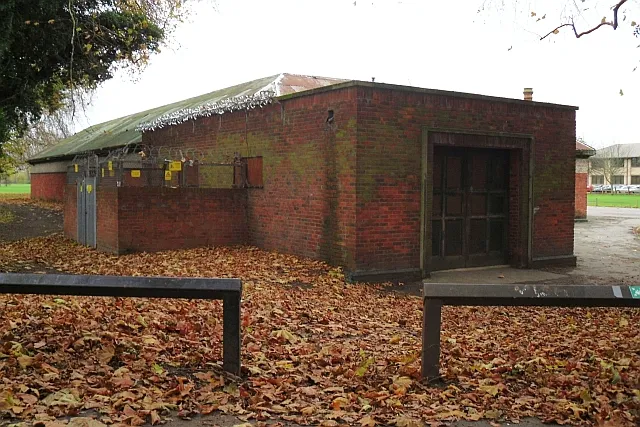
Photo: Rose and Trev Clough, CC BY-SA 2.0, via Wikimedia Commons
Leisure centres are not simply large homes with a pool attached. Their plant rooms contain circulation pumps, filtration vessels, balance tanks, chemical dosing equipment, heat exchangers, backwash lines, and a network of valves that must work together. A small leak in that environment can become more than a maintenance inconvenience. It can affect water quality, create a slip or electrical hazard, disrupt chlorine dosing, and trigger a compliance question. Monitoring should therefore begin in the plant room, not at the poolside.
Start with a plant room risk map
Before specifying sensors, walk the plant room and mark the points where water is stored, moved, treated, or discharged. A simple risk map should identify:
- the incoming supply, meter, and main isolation valve;
- balance and surge tanks, including overflow and warning pipes;
- circulation pump seals and mechanical joints;
- filter vessels, backwash lines, and drain connections;
- chemical dosing lines, storage bunds, and dosing pumps;
- heat exchangers and make-up water connections;
- floor drains, sumps, and any low points where water would collect;
- electrical panels, motor control centres, and other equipment that must stay dry.
The map should also record which areas are occupied overnight, which are unmanned, and where a leak would go unnoticed until the next shift. That information determines sensor placement more reliably than a generic floor plan.
Place monitoring where failure has consequences
A practical checklist for water monitoring in a leisure centre plant room includes the following:
- Balance tank area. Fit a level sensor or high-level alarm to detect overflow or abnormal loss. A falling level may indicate a leak in the pool shell or circulation circuit; a rising level may point to valve failure or make-up water running continuously.
- Pump and filter connections. Use point sensors in drip trays or moisture cables along vulnerable joints. Pump seals and filter lids are common sources of slow leaks that worsen under pressure.
- Backwash and drain lines. Monitor for continuous flow during periods when backwash should be idle. A stuck valve or failed actuator can send treated water to drain without anyone noticing.
- Chemical dosing area. Keep water sensors separate from chemical spill sensors, and ensure any leak detection does not create an electrical hazard near dosing equipment. COSHH assessments should inform the response plan.
- Heat exchangers and make-up water. A pressure or flow anomaly here may signal a failed internal seal or a passing valve. Monitoring can catch the problem before it affects pool chemistry or energy use.
- Plant room floor and sumps. A simple floor sensor at the lowest point provides a backstop for leaks that originate above or behind equipment.
- Overnight flow and pressure. Where the circulation system runs at night, a baseline flow and pressure record helps distinguish normal operation from a developing fault.
Balance chemical safety with automatic shut-off
Automatic isolation is attractive in a plant room, but it must be designed around the pool's chemistry and circulation requirements. Stopping circulation while dosing continues can create concentrated chemical conditions, damage equipment, or leave unsafe water in the system. A shut-off strategy should therefore be interlocked with dosing controls and should follow a clear sequence: stop dosing, maintain safe circulation where required, alert the duty manager, and isolate only the affected section.
Not every leak should trigger a full plant shutdown. A small drip from a pump seal may be managed with an alert and a maintenance visit. A burst on a chemical line or a major loss from a balance tank may require immediate isolation. The system should distinguish between these scenarios, or at least provide a manual override that staff understand. Automatic valves should fail safe, be clearly labelled, and be tested as part of the centre's routine maintenance.
Watch the unoccupied hours
Leisure centres often have long periods when the plant room is locked and the building is quiet. These are the hours when a leak can do the most damage. Monitoring should include:
- a night-time flow baseline for the circulation system;
- high-level and low-level alarms on balance tanks;
- sump and floor sensors connected to an out-of-hours alert;
- pressure monitoring on make-up water and dosing lines;
- a clear escalation path to a named duty manager or contractor.
Alerts should be actionable. A notification that says only 'leak detected' is less useful than one that identifies the zone, the time, and the likely system. Staff should know whether to attend, isolate, or call a specialist.
Build an escalation and records routine
Monitoring is not only a hardware decision. It creates a stream of data that must be owned. A leisure centre should define:
- who receives alarms during opening hours and out of hours;
- how quickly a response is expected;
- which faults require isolation and which can wait for a planned repair;
- how alerts are logged and reviewed;
- how sensor tests and valve exercises are recorded.
These records support maintenance planning and demonstrate a responsible approach to water safety. They are also useful when insurers, environmental health officers, or senior management ask how the centre manages risk.
Commission and maintain the system
A monitoring system is only as good as its commissioning. Sensors should be placed according to the risk map, tested with simulated leaks or controlled water events, and labelled clearly. The building management system or alarm platform should be configured to avoid nuisance alarms while still catching genuine events. Staff should be trained on the difference between a sensor alert and a chemical alarm.
Maintenance should include periodic sensor checks, battery replacement where applicable, valve movement tests, and a review of alarm logs. Guidance from the Pool Water Treatment Advisory Group and HSE HSG179 can inform the wider water safety regime, while backflow prevention and pipework alterations should respect the Water Supply (Water Fittings) Regulations 1999. After any plant modification, the risk map and sensor placement should be revisited. A new pump, a changed dosing line, or a refurbished balance tank can alter where water is most likely to escape.
Extend the logic beyond the poolside
Aquatic safety technology should not stop at the pool hall. The plant room is where many pool incidents begin, and it is where monitoring can provide the earliest warning. A well-designed system protects the building, the water treatment process, and the people who use the pool. It also gives managers evidence that they are watching the parts of the facility that visitors never see.
For UK leisure centres, the checklist is not a substitute for professional design or statutory compliance. It is a starting point for a conversation between operations, maintenance, and water safety specialists. The principle is straightforward: know where water can escape, monitor the points that matter, and make sure the response is as reliable as the sensor.