Between Occupancies: Keeping Water Systems Safe in Britain’s Quiet Buildings
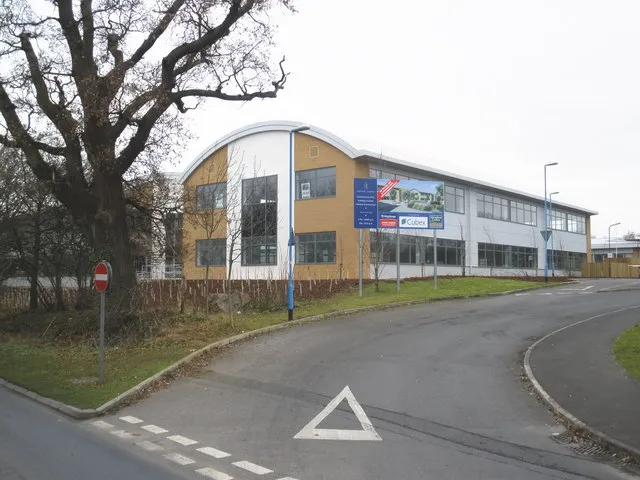
Photo: Roger Cornfoot, CC BY-SA 2.0, via Wikimedia Commons
A building does not need to be abandoned to become a water safety problem. A school in the summer holidays, a gym closed overnight, a hybrid office with two occupied floors and three unused ones, or a leisure centre with a drained pool and idle showers can all create the conditions for stagnation. Water sits in pipework, temperatures drift, and small leaks go unnoticed because nobody is walking the corridors.
For facilities teams, the challenge is to manage water safely between occupancies without turning every closure into an administrative burden. Technology has a role, but it works best when it supports a clear regime rather than replacing one.
The problem with a building that is merely quiet
Partial occupancy is often more difficult than full closure. A fully closed site can be isolated and managed as a defined event. A partly used site may have intermittent demand, dead legs and unpredictable use patterns. Some outlets are used daily; others are touched once a fortnight. Hot water may cool in neglected sections of pipework, and cold water may warm in plant rooms or sunlit risers.
Legionella risk is associated with water systems that allow water to stagnate and temperatures to fall within the range that supports bacterial growth. Aerosol generation from showers, taps, cooling towers and spa equipment adds a further consideration. The HSE's Approved Code of Practice L8 and the associated HSG274 guidance set out the framework for risk assessment and control. Technology should help demonstrate that the regime is being followed, not obscure it.
Stagnation and legionella: managing the regime
A written scheme of control should define which outlets are sentinel points, how often they are flushed, what temperatures are expected, and who is responsible for recording the results. During low occupancy, the regime may need to become more frequent or more systematic. Flushing should be carried out safely, with attention to aerosol generation and the protection of staff carrying out the task.
Automated flushing devices can help where manual flushing is impractical or inconsistently completed. They should be programmable, verifiable and capable of recording that water actually flowed. A command to open a solenoid is not the same as a confirmed flush. Flow confirmation, temperature readings and exception reports are the evidence that matters.
Remote monitoring and plant-room sensors
Plant rooms are the natural starting point for remote monitoring. Flow and pressure sensors on incoming supplies can reveal abnormal demand. Temperature sensors on hot and cold water services can show drift. Leak detection tape or point sensors can catch drips around pumps, calorifiers and booster sets. Humidity sensors can provide an early warning of uncontrolled water in spaces that are rarely visited.
Integration with a building management system is valuable where it exists, but it should not be the only route to an alarm. A facilities team needs escalation rules: who is called at 2am, what constitutes an emergency, and which events can wait until the next working day. A small leak in a plant room may be less urgent than a burst supply pipe, but both require a response.
Automated flushing without creating new risks
Automated flushing should be designed around the building's water system, not simply installed at every outlet. Sequential flushing can avoid simultaneous pressure drops. Duration and flow rate should be sufficient to turn over the water in the pipe run. Sentinel outlets should remain part of the manual verification regime. Where an outlet is not suitable for automated flushing, the scheme should say so and explain the alternative.
Records should capture the time, outlet, duration, confirmed flow and any anomaly. If a flush fails because a valve is stuck or a sensor is faulty, the system should raise an exception rather than record a silent non-event. This is particularly important for sites preparing for inspection or internal audit.
Leaks in empty buildings
Empty buildings can hide significant water loss. A leaking toilet cistern in an unused wing may never be noticed. A failed joint behind a kitchen unit may only become apparent when the floor softens. Water bills can rise without an obvious operational cause, and insurers may ask why the loss was not detected earlier.
Flow monitoring can identify continuous background demand outside expected hours. Moisture sensors can cover risers, plant rooms and high-risk rooms. Automatic isolation can be considered for sites or zones that are genuinely unused, provided it does not compromise fire safety systems or essential services. The isolation strategy should be documented and reviewed before each closure period.
Evidence trails for facilities teams and inspectors
Compliance evidence should be contemporaneous, legible and attributable. A dashboard that shows a green tick is not enough. Inspectors and auditors may ask for flush records, temperature results, remedial actions and maintenance records. A credible system should export time-stamped logs, identify exceptions and show that corrective action was taken.
Technology can reduce the administrative load, but it cannot replace competent oversight. A named responsible person should review alerts, approve changes to flushing schedules and sign off remedial work. The evidence trail should tell a coherent story from risk assessment through to routine control and exception management.
A practical mobilisation checklist
Before a closure or low-occupancy period, review the water risk assessment, identify dead legs and low-use outlets, confirm the flushing regime and test remote alarms. During the period, monitor flow, temperature and leak sensors, review exception reports and keep records of all interventions. Before reopening, flush and verify sentinel outlets, check for leaks and confirm that isolation valves have been returned to their correct positions.
The quiet building is not a safe building by default. It is a building whose water system needs a deliberate regime, reliable monitoring and evidence that the regime has been followed. For UK facilities teams, that combination is the difference between controlled closure and an avoidable incident waiting to be discovered.